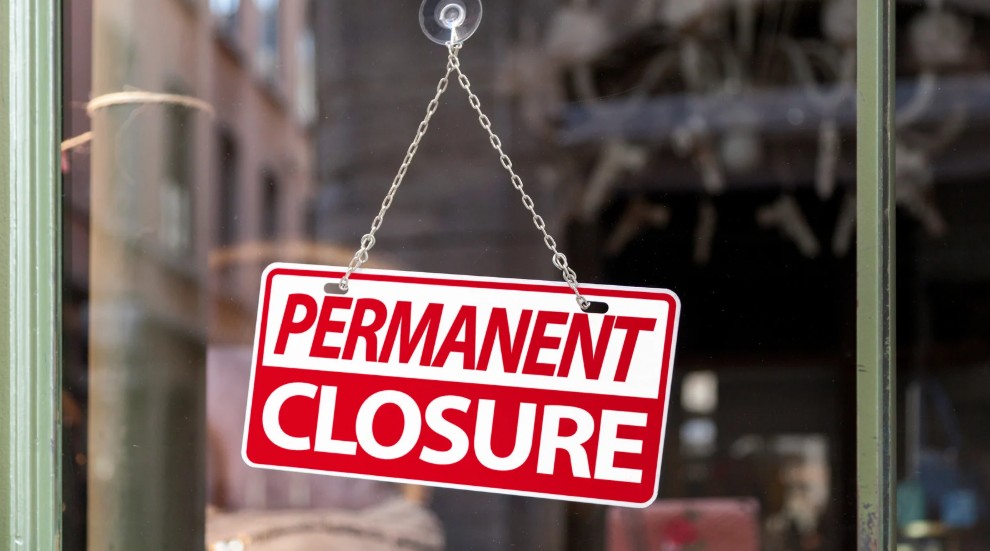
The UK’s retail landscape has undergone dramatic changes over the past decade, with a sharp increase in store closures across towns and cities. From major high street chains to local independents, physical retail outlets are shutting their doors at a pace that has raised serious questions about the future of brick-and-mortar commerce.
But what’s really driving this phenomenon? Is it purely economic, or are consumer habits and strategic missteps equally to blame?
This blog explores the underlying reasons why businesses in the UK are closing stores, delving into economic pressures, digital disruption, and internal decision-making that collectively shape the fate of the retail industry.
Why Are UK Retailers Struggling with Rising Operational Costs?
Retailers across the UK are grappling with a surge in operational expenses that are increasingly unsustainable, particularly for smaller businesses. A combination of fixed and variable cost increases has eroded already-thin profit margins.
Soaring Operational Expenses
Costs associated with energy, rent, and staffing have spiked significantly. Rising energy bills have been a major concern for retailers operating physical spaces, especially during colder months when heating is essential. Additionally, rent hikes, particularly in prime high street locations—have made many retail units unviable.
Furthermore, employment-related expenses such as increased National Insurance contributions and regular hikes in the National Living Wage have placed additional pressure on employers.
Cash Flow Constraints
For small and mid-sized businesses, managing cash flow has become a recurring challenge. Late payments from suppliers, high processing fees from card transactions, and difficulty accessing financing contribute to unstable financial footing. When revenue from footfall-driven sales declines, many businesses simply cannot cover their costs.
Average Operational Costs Impacting UK Retail Stores
| Cost Category | Average Increase (2022–2025) | Impact Level |
| Energy Bills | +25% | High |
| Commercial Rent | +12% | High |
| National Insurance | +1.25 percentage points | Medium |
| National Living Wage | +10% | High |
| Payment Processing Fees | 1.5% to 3% per transaction | Medium to High |
How Do Business Rates and Government Policies Affect Store Closures?

Business rates in the UK represent one of the most contentious burdens for physical retailers. These taxes, levied on commercial properties, are significantly higher for businesses occupying premium retail space.
With the tapering of business rates relief, many high street retailers have found themselves with increased liabilities, while online-only businesses—who do not pay similar rates—continue to grow. This tax imbalance places brick-and-mortar stores at a distinct disadvantage.
In addition to this, fluctuations in economic policy, limited government grants for smaller enterprises, and uncertainty around future support have made long-term planning difficult. Retailers operating on thin margins often find themselves with little buffer when faced with additional taxation or regulatory costs.
In What Ways Has Inflation Affected Consumer Spending Habits?
Inflation has significantly impacted how consumers in the UK prioritise their spending. With essentials like energy, housing, and groceries becoming more expensive, discretionary spending on items such as fashion, electronics, and luxury goods has declined.
Reduced Disposable Income and Economic Anxiety
When consumers have less money to spend on non-essential goods, retailers across these sectors see a noticeable dip in sales. The pressure is particularly intense in middle-market retail—stores that do not offer either deep discounting or luxury appeal. Economic anxiety also leads to consumers delaying purchases, reducing foot traffic and conversion rates.
Moreover, inflationary pressures have not only shifted purchasing decisions but also changed where consumers shop. More shoppers are turning to budget-friendly outlets and online platforms that offer price comparison tools and deals, further affecting high street retail.
Why Is Online Shopping Accelerating Physical Store Closures?
The growth of e-commerce has permanently altered the retail landscape in the UK. Today’s consumers value convenience, price transparency, and variety—qualities that online platforms deliver consistently.
Retailers who once relied on footfall are now seeing reduced traffic as more purchases shift online. E-commerce offers customers the ability to shop 24/7 without the limitations of geography, operating hours, or in-store inventory. These advantages are difficult for traditional stores to replicate.
Additionally, many physical retailers have been slow to adopt robust digital strategies. As a result, those that failed to embrace online commerce have been particularly vulnerable.
The rise of hybrid retail models, where customers browse online and collect in-store—has benefited retailers with strong logistics systems. Unfortunately, many high street stores lack the infrastructure to offer this efficiently.
How Are Changing Lifestyle and Shopping Habits Impacting High Street Stores?
The modern consumer is more experience-driven than ever before. Rather than purchasing material goods, many now prefer to spend their disposable income on dining out, travel, and entertainment. This has created a ripple effect across traditional retail, particularly in categories like apparel and electronics.
High streets have also struggled with accessibility and convenience. Retail parks, offering ample parking, large-format stores, and leisure facilities, continue to outperform central high street locations. This shift has even contributed to Costa Coffee UK shutdowns, as once prime coffee shop locations see fewer customers due to shifting footfall patterns.
Comparison Between Retail Parks and High Street Stores:
| Feature | Retail Parks | High Streets |
| Parking Availability | Free and abundant | Limited and paid |
| Accessibility | Easy access by car | Primarily pedestrianised |
| Store Size | Larger units with warehousing | Smaller, space-restricted |
| Customer Dwell Time | Higher due to multi-purpose use | Decreasing |
| Performance (2023) | +6.1% growth | -3.4% decline |
What Role Does Poor Business Strategy and Management Play?

Strategic mismanagement has been a core factor in several high-profile UK retail failures. Brands that once dominated the high street have disappeared due to outdated business models and failure to innovate.
A lack of digital investment is a recurring theme. Businesses like Debenhams and Topshop were slow to transition online and failed to offer competitive in-store experiences. This left them vulnerable as consumers increasingly shifted to online shopping.
An over-reliance on heavy discounting also eroded brand equity. Short-term tactics such as aggressive sales and promotions failed to build long-term customer loyalty. When market dynamics changed, these brands lacked the agility to respond effectively.
Are Oversupply and Vacant Retail Spaces Contributing to the Crisis?
Across the UK, many town centres have more retail units than demand can support. This oversupply has led to chronically high vacancy rates and diminished the attractiveness of high street environments.
Even successful businesses are cautious about expanding into saturated areas. High vacancy rates reduce footfall and create a sense of economic decline, discouraging new investment. This self-perpetuating cycle has made recovery difficult in many towns.
Urban planning and consumer migration to suburban and digital retail experiences have further exacerbated this trend. Redevelopment strategies that do not account for shifting demographics often result in underutilised retail infrastructure.
How Do Personal and Succession Factors Affect Independent Store Closures?
For independent retailers, personal circumstances often determine the longevity of the business. Unlike corporate chains, these stores are often owner-operated and heavily dependent on one or two individuals.
Health issues, ageing ownership, and burnout are common reasons for closure. Many store owners continue operating without a clear succession plan, meaning when the owner decides to retire or faces a personal crisis, the business is forced to shut down.
In addition, the emotional toll of running a business under constant financial stress contributes to the decision to exit. With rising costs, competitive pressure, and shifting customer expectations, many independent retailers no longer see a viable path forward.
Final Thoughts
In conclusion, the wave of store closures across the UK is driven by a complex interplay of rising operational costs, shifting consumer habits, digital disruption, and strategic shortcomings.
While some retailers have adapted by embracing online channels and evolving customer expectations, many have struggled to keep pace. High streets face mounting challenges from oversupply and declining footfall, while independents often lack the resilience or succession planning to continue.
However, with targeted support, innovation, and collaborative urban planning, there remains potential to revitalise physical retail and redefine its role in the evolving UK shopping landscape. Adaptation, not resistance, is key to survival.
Frequently Asked Questions
What sectors in the UK are experiencing the most store closures?
Fashion, department stores, and electronics retailers have been among the hardest hit, particularly those reliant on physical sales without strong online infrastructure.
How does Brexit continue to influence retail operations in the UK?
Brexit has led to increased import costs, regulatory barriers, and supply chain disruptions, adding pressure on retail operations across the country.
What support is available for struggling high street businesses?
Local councils and the UK government have offered business rates relief and recovery grants, though access varies widely depending on location and business size.
Are any UK retailers successfully adapting to these changes?
Yes, brands that have embraced omni-channel strategies, improved their digital platforms, and prioritised customer experience have managed to thrive.
What impact do card processing fees have on small retailers?
These fees can eat into profits significantly, particularly for small businesses with tight margins. In some cases, up to 3% of each sale goes to processing.
Is there a future for brick-and-mortar retail in the UK?
While traditional models are declining, physical retail can still succeed by offering unique experiences, localised service, and integration with digital platforms.
How can landlords and councils help reduce vacancy rates?
Flexible lease agreements, incentivising pop-ups, and community engagement programmes can help revitalise vacant retail spaces.
About the Author